Understanding Mini Split of Air Conditioner Technology
In today's world, where energy efficiency and personal comfort are paramount, the mini split of air conditioner has gained significant popularity. Unlike traditional HVAC systems, mini splits offer a unique approach to both heating and cooling spaces, making them ideal for a variety of residential and commercial environments. This article explores the technology behind mini split systems, their numerous benefits, installation considerations, cost factors, maintenance tips, and future trends that will shape the landscape of air conditioning in 2026 and beyond.
What is a Mini Split System?
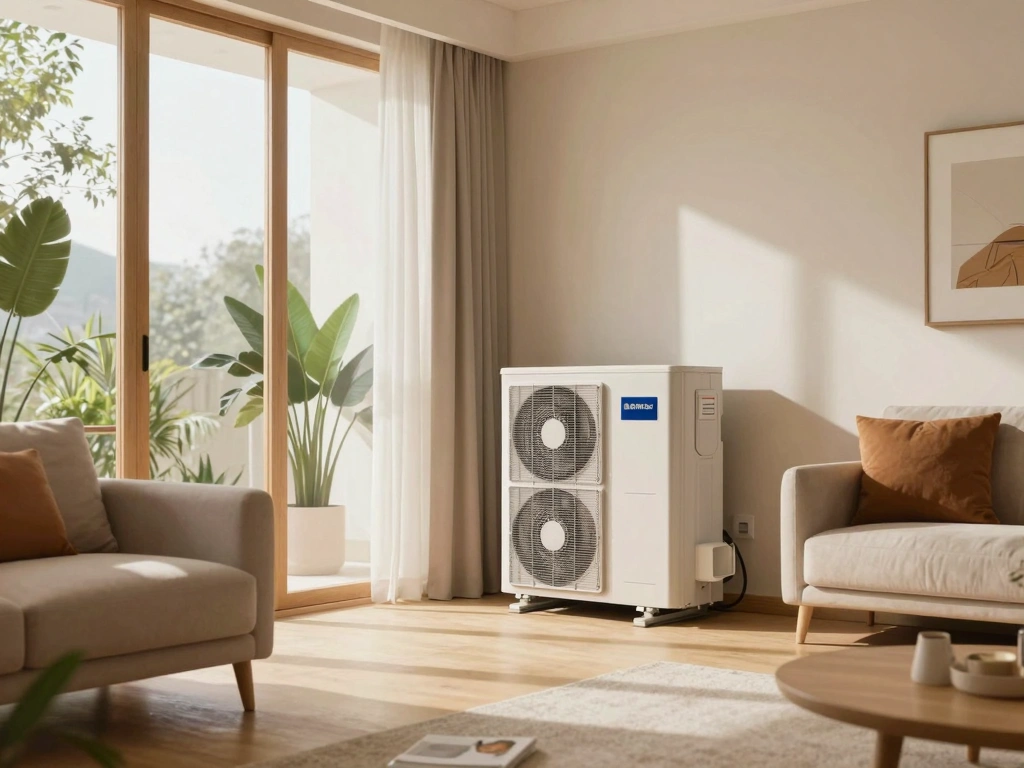
A mini split system is a type of ductless heating and cooling system that comprises two main components: an indoor air-handling unit and an outdoor condenser unit. These systems operate using a refrigerant to exchange heat, making them highly effective for maintaining comfortable temperatures in individual rooms or zones. By avoiding traditional ductwork, mini splits can be installed in a range of locations, thereby providing flexibility in design and installation.
Benefits of Mini Split Systems Over Traditional AC
- Energy Efficiency: Mini splits are known for their high Seasonal Energy Efficiency Ratio (SEER) ratings, which often exceed those of conventional air conditioning systems. This translates to lower energy bills and a reduced carbon footprint.
- Zone Control: With the ability to set different temperatures in different rooms, mini splits offer unparalleled customization for individual comfort.
- Ease of Installation: Mini split systems require less invasive installation compared to traditional systems, as they do not require ductwork, making them easier and often cheaper to install.
- Quiet Operation: Designed with sound-dampening technology, mini splits operate at significantly lower noise levels than conventional window or central air units.
- Versatility: Mini splits can provide both heating and cooling, making them a year-round solution for climate control.
Key Components of a Mini Split System
Understanding the key components of a mini split system can help homeowners make informed decisions about their cooling and heating needs. The two main components include:
- Indoor Unit: This unit is responsible for distributing conditioned air into the living space. It comes in various styles, such as wall-mounted, ceiling-mounted, or floor-mounted, allowing flexibility in design.
- Outdoor Unit: The outdoor unit contains the compressor and fan, which are essential for the heat exchange process. It is typically installed outside of the building and connected to the indoor unit via refrigerant lines.
Installation Considerations for Mini Split of Air Conditioner
Choosing the Right Location for Installation
When selecting where to install your mini split system, consider factors such as the layout of your space, the location of windows and doors, and the direction of sunlight. Proper placement can maximize efficiency and comfort. Ideally, the indoor unit should be located in a central area to ensure even air distribution.
Professional Installation vs. DIY: Pros and Cons
One of the critical decisions you'll face is whether to hire a professional for installation or to tackle it as a DIY project. Professional installation typically ensures that the system operates optimally and adheres to local building codes. However, DIY installation can save on upfront costs if you are handy and willing to learn. Weigh the pros and cons carefully before making your decision.
Common Installation Challenges and Solutions
Like any home improvement project, installing a mini split system can come with challenges. Common issues include:
- Access to Wiring: Ensuring that electrical lines are properly installed can be tricky. If you're unsure, consult with an electrician.
- Refrigerant Line Length: The distance between the indoor and outdoor units can affect efficiency. Proper lining and insulation are crucial.
- Mounting the Indoor Unit: Correctly securing the indoor unit to avoid vibrations and noise is essential.
Cost Factors Associated with Mini Split Air Conditioners
Initial Investment and Long-Term Savings
The upfront cost of installing a mini split system can vary widely based on factors such as the number of zones, unit capacity, and installation complexity. However, many homeowners find that the long-term savings in energy costs often offset initial expenses.
Operating Costs: What to Expect
Operating costs depend on several factors, including local energy rates, usage patterns, and the efficiency of your specific mini split model. Generally, users report lower utility bills compared to traditional air conditioning systems, making mini splits a cost-effective option for climate control.
Financing Options and Incentives for Homeowners
Many manufacturers and local governments offer financing options or rebates for energy-efficient appliances, including mini split systems. Researching available incentives can significantly lower your overall cost.
Maintaining Your Mini Split of Air Conditioner
Regular Maintenance Checklist for Optimal Performance
To keep your mini split system running efficiently, routine maintenance is essential. Consider the following tasks:
- Cleaning or replacing air filters every month during peak use.
- Checking and cleaning the outdoor unit to ensure unobstructed airflow.
- Scheduling annual professional maintenance to inspect refrigerant levels and perform any necessary repairs.
Signs Your Mini Split System Needs Repair
Being aware of potential issues can save you from costly repairs down the line. Look for signs such as:
- Inconsistent temperatures throughout the home.
- Unusual noises coming from the system.
- Increased energy bills without an apparent increase in usage.
DIY Tips for Cleaning and Maintenance
Homeowners can perform simple cleaning tasks themselves. Ensure to:
- Turn off the power before cleaning components.
- Use a soft brush to clean the coils and fins of the outdoor unit.
- Vacuum the air intake and outlet grilles of the indoor unit carefully.
Future Trends in Mini Split Air Conditioning Systems
Innovations in Energy Efficiency
As technology advances, mini split systems are becoming more efficient. Look for models with advanced features such as variable speed compressors and enhanced insulation that further reduce energy consumption.
Smart Technology Integration for Home Comfort
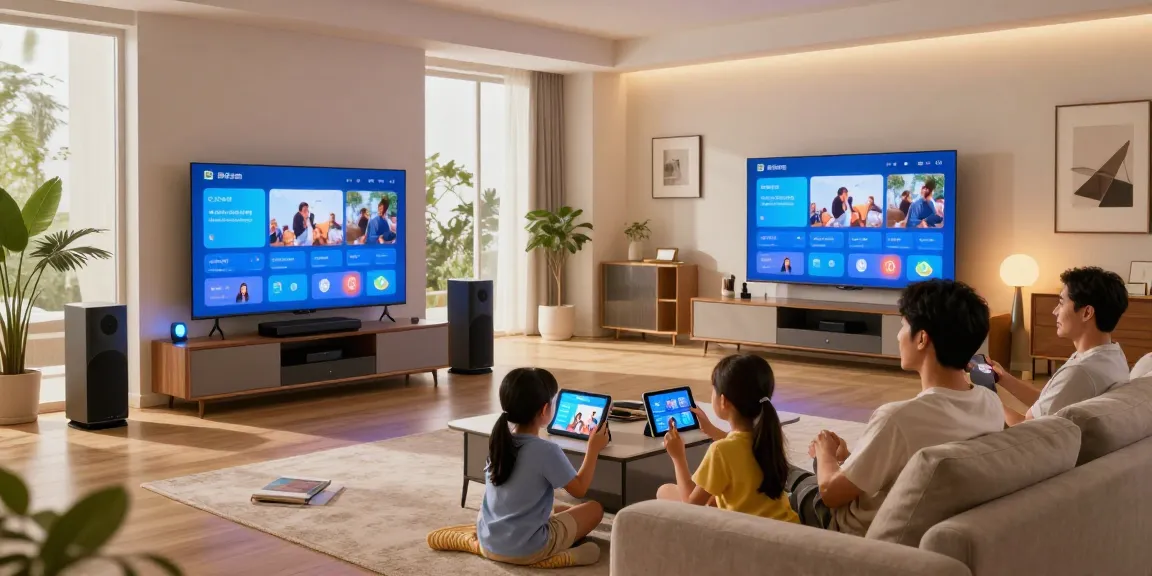
Smart home technology is shaping the future of HVAC solutions, including mini split systems. Expect to see more options with integrated smart controls that allow you to manage your home’s heating and cooling through mobile apps, making it easier to optimize comfort while minimizing energy use.
Predicted Developments in HVAC Solutions for 2026 and Beyond
As we approach 2026, expect continued innovation in HVAC technology, with mini splits leading the way in energy efficiency, user experience, and environmental sustainability. Enhanced smart features, greater adaptability, and more eco-friendly refrigerants are on the horizon, promising to redefine comfort in homes and businesses.
What are the downsides of a mini-split AC system?
While mini splits are generally efficient, some downsides may include initial cost, aesthetic concerns due to the visibility of indoor units, and potential maintenance needs for multiple zones in larger homes.
Why is my electric bill so high with a mini split?
High electric bills can result from various factors, including improper system sizing, inefficient usage patterns, or lack of routine maintenance that impacts system performance.
What is the typical cost of installing a mini split system?
The cost can vary widely based on factors such as the number of units, installation complexity, and geographic location, typically ranging from $3,000 to $7,000.
Are mini-splits good for air conditioning?
Yes, mini splits are well-regarded for their efficiency, quiet operation, and flexibility in temperature control, making them a great choice for air conditioning in various settings.
How do mini splits compare to traditional HVAC systems?
Mini splits offer distinct advantages over traditional HVAC systems, including higher energy efficiency, better zoning capabilities, and reduced installation costs due to the absence of ductwork.