Understanding Smart Homes and خانه هوشمند جهان اسمارت
As technology continues to evolve, the concept of smart homes has transformed from a futuristic dream into a tangible reality. A smart home integrates various devices and systems that can be controlled remotely, enhancing convenience, efficiency, and security. In this context, خانه هوشمند جهان اسمارت stands out as a leader in smart home solutions, offering a comprehensive range of products designed to enhance the modern living experience.
What is a Smart Home?
A smart home refers to a residence equipped with devices that automate tasks traditionally performed by humans. These devices can be controlled from anywhere via the internet, usually through a smartphone or tablet. From automated lighting systems to advanced security measures, the integration of smart technology allows homeowners to manage their environments more effectively.
Key Components of خانه هوشمند جهان اسمارت
At the heart of a smart home is a network of interconnected devices. خانه هوشمند جهان اسمارت offers an extensive array of products that cater to various needs, including:
- Smart Locks: Brands like Bosch and Sharp offer advanced locking solutions that enhance security with features like facial recognition and remote access.
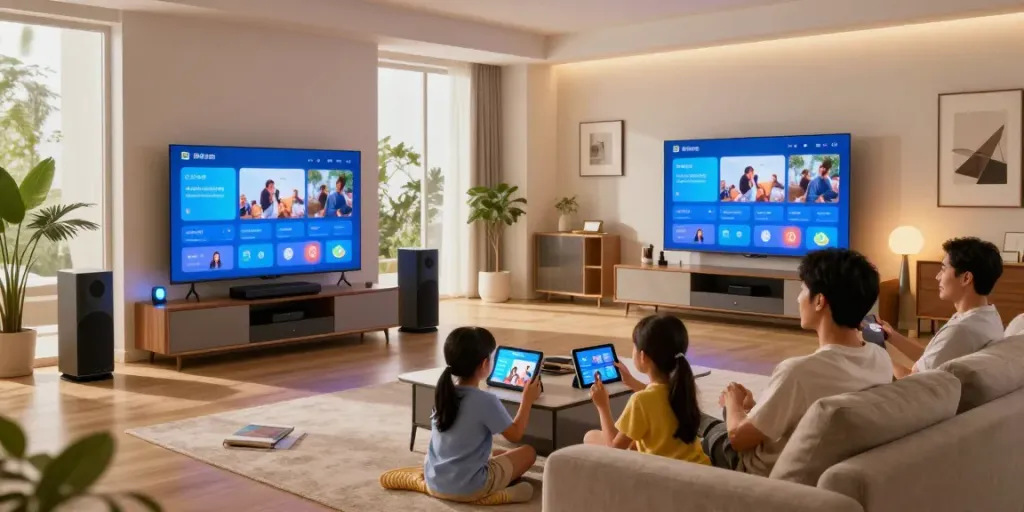
- Smart Audio Systems: With products designed for immersive sound experiences, these systems allow for seamless entertainment throughout the home.
- Smart Lighting: Manage your home lighting with ease through touch panels and smart switches, providing both aesthetic and functional advantages.
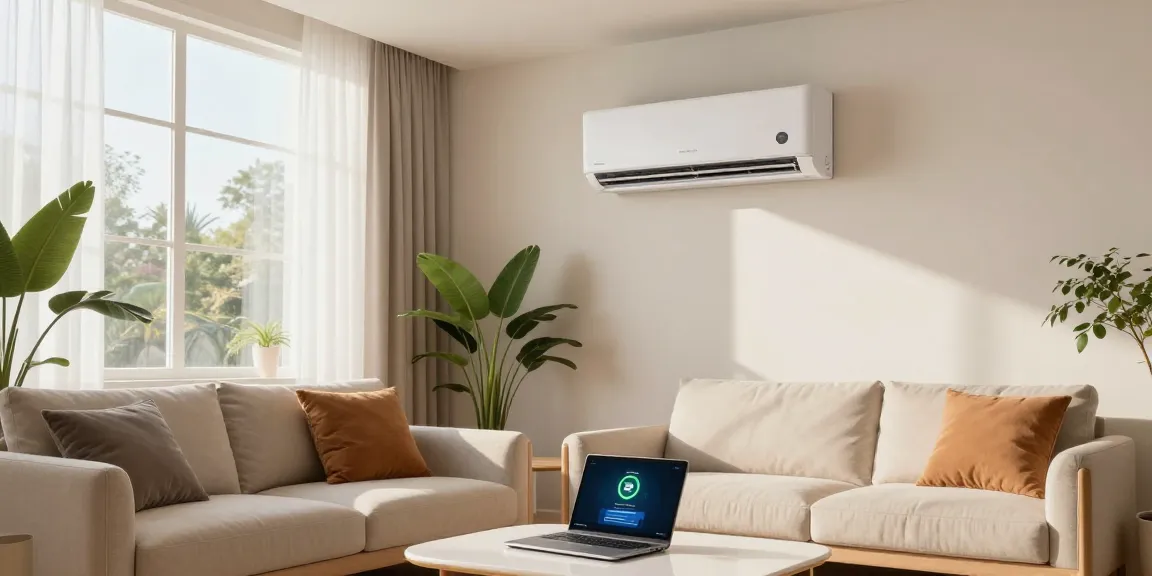
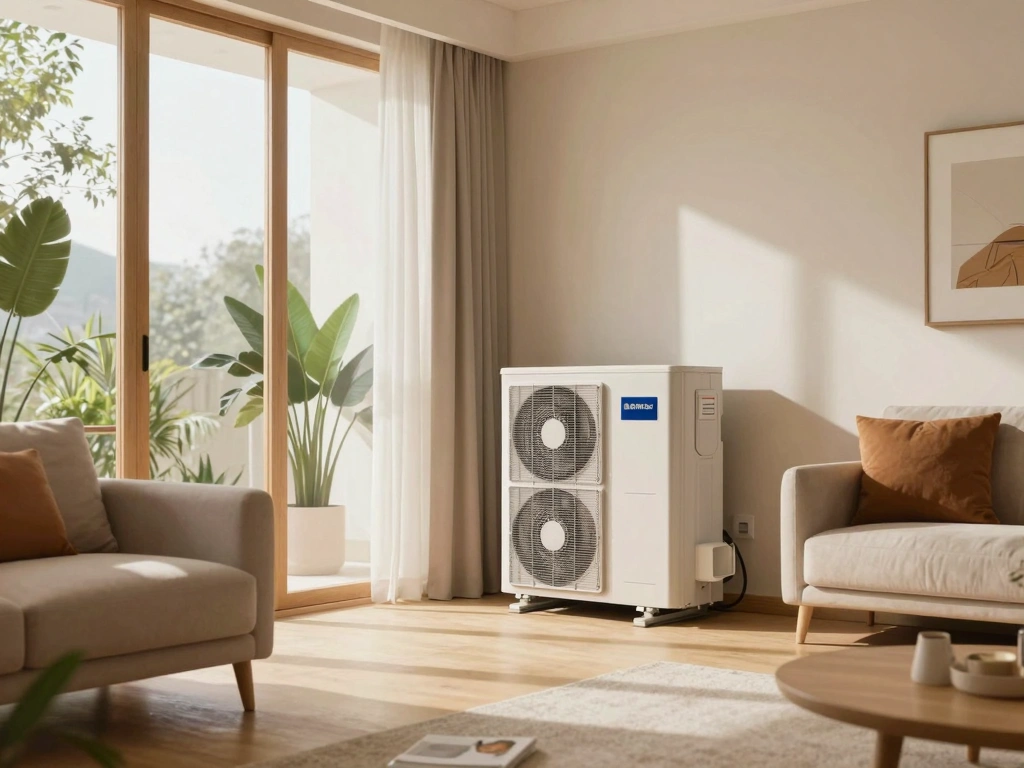
- Smart Climate Control: Thermostats and sensors that adjust the temperature based on occupancy and preferences, ensuring comfort while saving energy.
- Smart Curtains and Blinds: Automated window treatments that can be programmed to open and close based on time of day or light levels.
Benefits of Implementing Smart Home Solutions
The advantages of smart home technology extend beyond mere convenience. Implementing these solutions can lead to significant improvements in energy efficiency, security, and quality of life. Some key benefits include:
- Enhanced Security: With smart locks, surveillance cameras, and motion detectors, homeowners gain real-time insights into their property, reducing the likelihood of break-ins.
- Increased Energy Efficiency: Smart devices can optimize energy consumption, leading to reduced utility bills and a lower environmental footprint.
- Convenience: Automation allows for routines that match your lifestyle, whether it’s adjusting the thermostat before you arrive home or scheduling lights to turn on at dusk.
- Remote Accessibility: Control your home from anywhere, giving you peace of mind when you’re away.
Choosing the Right Smart Devices for Your Home
When selecting smart devices, it's important to consider your specific needs and how different devices can work together to create a cohesive smart home ecosystem. Here are key categories to focus on:
Top Smart Security Solutions for Safety
Security is often the primary concern for homeowners. Smart locks, such as the Bosch FU8 PLUS and facial recognition systems from Sharp, provide enhanced protection, allowing for remote locking and unlocking via a smartphone app. Additionally, integrating security cameras can monitor your property in real-time, notifying you of any suspicious activity.
Entertainment Innovations: Smart Audio Systems
For those who love music and entertainment, intelligent audio systems can transform your home experience. Systems designed for seamless integration allow for control through voice commands or mobile apps, ensuring that you can enjoy your favorite tunes throughout the house without complicated setups.
Smart Climate Control: Thermostats and Sensors
Smart thermostats and sensors play a crucial role in maintaining comfortable living environments. By learning your habits and preferences, these devices can automatically adjust heating and cooling systems accordingly, ensuring efficiency and comfort while minimizing energy waste.
Installation and Integration of Smart Home Systems
Integrating smart devices into your home can be complex, depending on the existing infrastructure and the systems you choose. Understanding the installation process is crucial for optimal performance.
DIY vs. Professional Installation: Which is Better?
While some homeowners may opt for DIY installations to save costs, professional installation can ensure that your smart home runs smoothly. Experts can troubleshoot potential issues and integrate devices more seamlessly, providing peace of mind.
Steps to Integrate Smart Devices Seamlessly
- Assess Your Needs: Determine which aspects of your home you want to automate.
- Choose Compatible Devices: Invest in products that are designed to work together, ensuring compatibility.
- Follow Instructions: Carefully read and follow installation guidelines provided by the manufacturers.
- Test the System: After installation, test each device to ensure it functions properly before relying on automation.
Troubleshooting Common Installation Issues
If you encounter issues while installing your smart home system, consider the following troubleshooting tips:
- Check that all devices are compatible with your existing network.
- Ensure your router is configured correctly for each device.
- Consult the user manual for specific setup instructions.
Enhancing User Experience with Smart Home Technology
The true potential of smart home technology is realized when users can seamlessly interact with their systems. Here are strategies to enhance your experience:
Creating Automated Routines for Convenience
Automating daily routines can significantly enhance convenience. Consider programming your systems to perform specific tasks at designated times, such as turning on lights in the evening or adjusting the thermostat before you wake up.
Voice Control: Revolutionizing Home Interaction
Voice-activated assistants are becoming increasingly popular in smart homes. By using devices like Alexa or Google Assistant, you can control your home’s systems hands-free, making it easier to manage multiple tasks without needing to touch your devices.
User Interface Design for Smart Devices
User-friendly interfaces are essential for effective smart home management. Choose devices with intuitive controls and robust mobile apps to simplify the user experience, allowing you to monitor and manage your home's systems more efficiently.
Future Trends in Smart Home Technology for 2026
The smart home industry is rapidly evolving, with new technologies emerging that will shape the future. Understanding these trends can help homeowners prepare for advancements that will enhance their living experiences.
Emerging Technologies Impacting Smart Homes
As artificial intelligence (AI) and machine learning become more integrated into smart home systems, expect devices that learn and adapt more effectively to user behavior. Innovations in security, such as advanced biometric access and predictive analytics, will further improve safety measures within homes.
Predicting User Needs and Market Evolution
As consumer demand shifts, companies will need to adapt their products to meet the evolving needs of homeowners. This includes developing more sustainable solutions and ensuring interoperability between devices from different manufacturers.
Case Studies of Successful Smart Home Implementations
Examining successful implementations can provide valuable insights into best practices for smart home integration. For instance, projects that showcase the effective use of smart locks and climate control systems can serve as models for future installations.