Understanding Automated Bagging Solutions
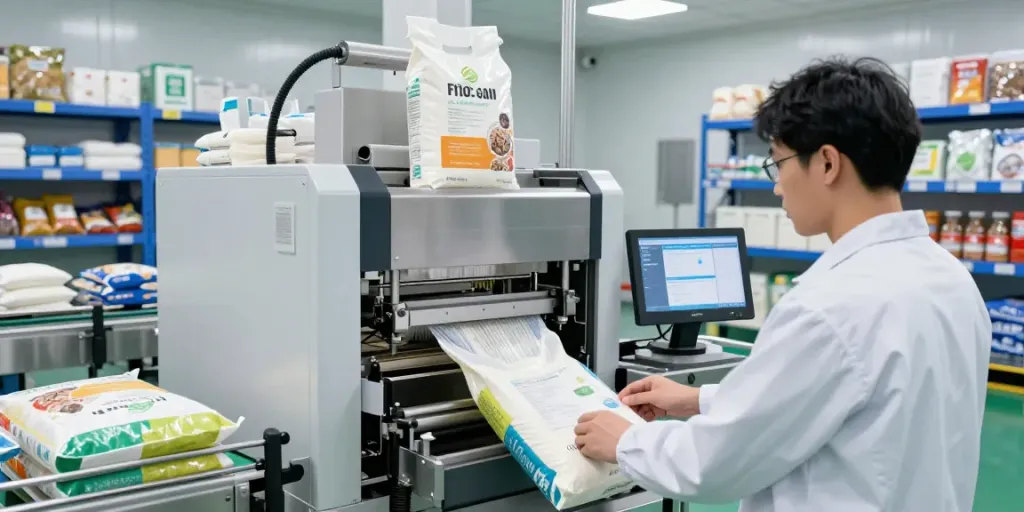
Automated bagging solutions are transforming how industries package products by integrating advanced technology into their operations. These systems streamline the packaging process across various sectors, enabling manufacturers to achieve higher efficiency and accuracy. Companies like Durzerd Machine, a leader in the manufacturing of automated bagging machines, demonstrate the capabilities of these sophisticated systems, which provide seamless integration into existing production lines.
When exploring options, automated bagging solutions are designed for flexibility, catering to diverse industry needs. This technology allows for the rapid placement of bags, efficient filling, and reliable sealing, ensuring consistent quality and reduced labor intensity. With innovations continuing to emerge, the future of automated bagging looks promising, offering enhanced features that address evolving market demands.
What are Automated Bagging Solutions?
Automated bagging solutions refer to systems that facilitate the packaging of products into bags without the need for extensive manual labor. These machines can handle a variety of tasks, including:
- Bag formation and placement
- Filling the bags with products
- Sealing the bags securely
- Labeling and sorting
The automated nature of these machines allows for high-speed operation while minimizing errors that can occur with manual packaging. They are particularly beneficial in environments where large volumes of products need to be packaged quickly and efficiently.
How Automated Bagging Machines Work
Automated bagging machines operate through a series of well-coordinated steps that involve sophisticated controls and sensors. The typical workflow includes:
- Bag Creation: A roll of plastic film is fed into the machine, which then forms the bags according to the predetermined specifications, such as size and seal type.
- Bag Placement: Once formed, the bags are automatically positioned at the filling station.
- Filling: The machine dispenses the product into the bags, using precise controls to ensure the correct amount is filled.
- Sealing: After filling, the bags are sealed using heat or adhesive methods to prevent spillage and extend shelf life.
- Output: Sealed bags are then delivered for labeling and packaging and can be sorted according to various criteria.
This efficient process not only speeds up production but also improves product integrity and consistency.
Industries Benefiting from Automated Bagging
Automated bagging solutions are integral to many industries, including:
- Food and Beverage: Ensures hygiene and speed in packaging snacks, grains, liquids, and more.
- Pharmaceuticals: Guarantees precision and compliance with regulations when packing medicines and supplements.
- Consumer Goods: Used for items such as pet food, household products, and personal care items.
- Agriculture: Efficiently packages seeds, fertilizers, and other agricultural products.
- Chemicals: Ensures safe and effective packaging of hazardous materials.
As these industries continue to grow, the demand for tailored automated bagging solutions is likely to increase, further driving innovation and enhancements in bagging technology.
Key Benefits of Implementing Automated Bagging
Increased Productivity and Efficiency
Implementing automated bagging solutions significantly boosts productivity. With their ability to operate continuously and handle high speeds, these machines reduce the time spent on packaging while increasing the output volume. For example, a manufacturer that previously operated with manual labor may find that their production rate has doubled or tripled after transitioning to automated systems. This efficiency translates to quicker turnaround times, enabling businesses to respond rapidly to changes in market demand.
Reduction in Packaging Errors
Automated bagging machines are designed to minimize errors associated with manual handling. Key benefits include:
- Consistent Filling: Automated systems ensure that each bag receives the exact quantity of product, eliminating underfill or overfill issues.
- Precise Sealing: Machines provide uniform seals that enhance product safety and shelf life, reducing the chances of leaks or contamination.
- Quality Control: Advanced machines come equipped with sensors that detect issues in real-time, allowing for immediate corrections and maintaining high standards.
Customizable Settings for Diverse Products
One of the standout features of automated bagging solutions is their adaptability. Businesses can easily modify machine settings to accommodate various bag sizes, material types, and product specifications. This flexibility is crucial for manufacturers dealing with different product lines, as it allows them to switch between packing styles without extensive downtime or reconfiguration. Customization options include:
- Adjustable fill levels
- Different seal types (e.g., heat seal, adhesive)
- Labeling options for branding and compliance
Challenges in Adopting Automated Bagging Solutions
Initial Costs of Implementation
While the long-term benefits of automated bagging solutions are substantial, the initial investment can be considerable. Companies must weigh the costs of procuring machinery, installation, and potential facility modifications against the anticipated efficiency gains. For small to medium enterprises, this can pose a significant financial hurdle. However, financial models and leasing options are available to help mitigate upfront costs.
Training Requirements for Operators
To fully leverage the capabilities of automated bagging machines, proper training is essential. Operators must understand the machinery's functions, how to troubleshoot common issues, and the protocols for maintenance. Investing in comprehensive training programs can ensure that employees are confident and competent in operating the equipment, ultimately reducing the risk of operational errors.
Integration with Existing Systems
Integrating new automated bagging machines into existing packaging lines can be complex. Companies may face challenges such as compatibility with older equipment, the need for software updates, or adjustments to current workflows. Conducting a thorough assessment of existing systems and planning the integration process can minimize disruptions and ensure a smoother transition.
Best Practices for Using Automated Bagging Machines
Routine Maintenance and Troubleshooting
Regular maintenance is critical to ensure that automated bagging machines operate at peak performance. Establishing a schedule for routine checks can help identify potential issues before they escalate. Key maintenance tasks include:
- Cleaning machinery components
- Inspecting wear parts and replacing them when necessary
- Updating software to improve functionality and security
Optimizing Machine Settings for Different Products
To maximize efficiency, operators should familiarize themselves with the optimal settings for various products. Testing the machine with different weights, sizes, and types of bags can provide valuable insights into the best configurations for specific production needs. Regularly reviewing these settings ensures that any changes in product design are accounted for, maintaining operational efficiency.
Monitoring Performance Metrics for Continuous Improvement
Tracking performance metrics allows businesses to identify areas for improvement in their automated bagging processes. Key performance indicators (KPIs) may include:
- Production speed
- Downtime incidents
- Error rates
- Cost per package produced
Utilizing data analytics tools can aid in making informed decisions that enhance productivity and efficiency over time.
Future Trends in Automated Bagging Solutions
Adoption of AI and Machine Learning Technologies
The future of automated bagging is set to be shaped by advancements in artificial intelligence (AI) and machine learning. These technologies are expected to enhance machine capabilities by allowing for real-time adjustments based on product characteristics and production conditions. For example, AI can optimize filling speeds based on the type of product being packaged, thereby improving overall efficiency and minimizing waste.
Increased Focus on Sustainability
As consumers and businesses become more environmentally conscious, the demand for sustainable packaging solutions is on the rise. Automated bagging equipment will increasingly accommodate eco-friendly materials and incorporate practices that reduce waste. This may include using biodegradable bags or minimizing excess materials during the packaging process.
Predictions for Industry Innovations by 2026
By 2026, we can anticipate significant innovations within the automated bagging industry. These may include:
- Enhanced robotics for complex packaging tasks
- Integration with supply chain management software for streamlined operations
- Advanced predictive maintenance features to further reduce downtime
As the industry evolves, staying informed about these trends will be crucial for manufacturers seeking to maintain a competitive edge.
What are the best automated bagging systems?
The best automated bagging systems are those that offer a combination of speed, accuracy, flexibility, and reliability. Leading manufacturers provide comprehensive solutions tailored to meet specific industry needs, ensuring that businesses can effectively scale their operations while maintaining quality standards.
How can automated bagging solutions enhance efficiency?
Automated bagging solutions enhance efficiency by reducing labor costs, speeding up production times, and minimizing packaging errors. The integration of these systems allows businesses to allocate resources more effectively, leading to improved operational productivity.
Are there costs associated with implementing automated bagging?
Yes, implementing automated bagging solutions involves initial costs, including equipment purchase, installation, and potential modifications to existing systems. However, these costs are often offset by the long-term savings and productivity gains achieved through automation.
What industries primarily use automated bagging machines?
Industries that primarily use automated bagging machines include food and beverage, pharmaceuticals, consumer goods, agriculture, and chemicals. Each of these sectors benefits from tailored solutions that meet their unique packaging requirements.
How to maintain automated bagging systems effectively?
Effective maintenance of automated bagging systems involves regular inspections, adhering to cleaning schedules, and promptly addressing any performance issues. Training operators to recognize signs of wear or malfunction can further enhance the reliability of these systems.