Understanding the Importance of DPF Reinigen
In the world of diesel engines, the diesel particulate filter (DPF) serves as a vital component in reducing harmful emissions. As regulatory standards become increasingly stringent, ensuring that your DPF is functioning optimally is not just beneficial for performance but essential for compliance as well. Regular maintenance, including dpf reinigen, can enhance the longevity of your vehicle's engine and contribute to a cleaner environment.
What is a Diesel Particulate Filter and Its Function?
The diesel particulate filter (DPF) captures soot and particulate matter from the exhaust gases of diesel engines, which helps in curbing pollution and complying with emission standards. Typically located within the exhaust system, the DPF is designed to filter out harmful particles before they exit the tailpipe, thus playing a pivotal role in reducing the environmental impact of diesel engines.
Common Issues Caused by Clogged DPF
A clogged DPF can lead to several operational issues, including:
- Reduced Engine Performance: When the DPF is blocked, the engine must work harder to push exhaust through the filter, resulting in decreased power and acceleration.
- Increased Fuel Consumption: A clogged filter can lead to inefficient combustion, causing the engine to consume more fuel than necessary.
- Warning Lights: Many vehicles have built-in sensors that trigger warning lights on the dashboard when the DPF is nearing saturation.
- Potential Engine Damage: If not addressed promptly, clogged DPFs can lead to serious engine failures, which may require extensive repairs.
The Benefits of Regular DPF Cleaning
Regular DPF cleaning is crucial for maintaining performance and extending the life of the filter. Here are some key benefits:
- Improved Fuel Efficiency: Clean DPFs allow for better exhaust flow, which enhances fuel economy.
- Enhanced Engine Performance: Regular cleaning ensures optimal engine performance by preventing back pressure buildup.
- Lower Emissions: Clean filters contribute to reduced emissions, helping vehicles meet environmental regulations.
- Cost Savings: Preventive maintenance can save you from costly repairs and replacements down the line.
Methods of DPF Reinigen
Professional vs. DIY DPF Cleaning Techniques
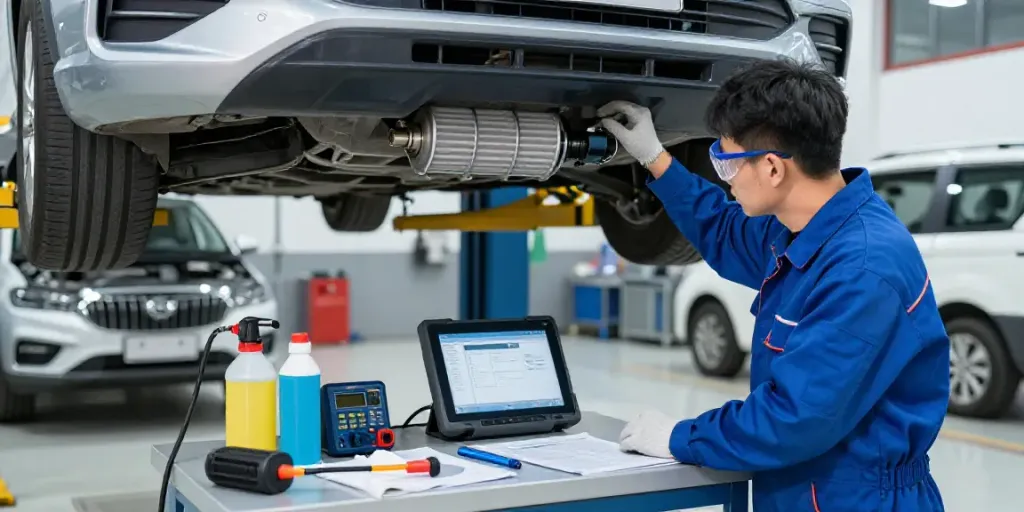
There are primarily two methods to clean a DPF: professional cleaning services and do-it-yourself (DIY) techniques. Professional services typically involve advanced cleaning equipment and chemicals that can restore the DPF to its original efficiency. On the other hand, DIY methods can vary in effectiveness, often relying on simpler tools or solutions, but they may not provide the same level of thoroughness.
Step-by-Step Guide to Effective DPF Cleaning
For those opting to clean their DPF themselves, here's a basic step-by-step guide:
- Remove the DPF: Always ensure the engine is cool, then carefully detach the DPF from the exhaust system.
- Inspect the Filter: Look for visible signs of damage or excessive build-up.
- Use Cleaning Solution: Apply a specialized DPF cleaning solution according to the manufacturer's instructions.
- Rinse and Dry: After allowing the solution to work, rinse the DPF thoroughly and let it dry completely.
- Reinstall: Once dry, reinstall the DPF back onto the vehicle, ensuring all connections are secure.
Choosing the Right Cleaning Equipment and Chemicals
When selecting cleaning equipment and chemicals, consider the following:
- Compatibility: Ensure that the chosen products are suitable for your specific DPF model.
- Effectiveness: Look for products with proven results in effectively removing soot and other deposits.
- Environmental Impact: Opt for eco-friendly cleaning solutions to minimize your environmental footprint.
Factors Influencing DPF Cleaning Time
Typical Duration for Different Cleaning Methods
The time it takes to clean a DPF can vary significantly based on the method used:
- Professional Cleaning: This can take from 1 to 3 hours, depending on the service provider and the method employed.
- DIY Cleaning: Expect to spend several hours, especially if you are unfamiliar with the process.
Impact of Vehicle Type and DPF Condition
Different vehicles and DPF conditions will also affect cleaning time. For instance, older vehicles may require more extensive cleaning due to accumulated soot, while newer models tend to have more advanced DPF systems that are easier to maintain.
How to Optimize Cleaning Time and Efficiency
To optimize both cleaning time and efficiency, consider the following tips:
- Regular Maintenance: Schedule regular inspections and cleanings to prevent severe clogging.
- Use Quality Products: Invest in high-quality cleaning solutions and equipment to ensure effective cleaning.
- Train Personnel: If running a service, ensure that technicians are trained on the latest techniques and technologies.
Cost Considerations for DPF Reinigen Services
Average Costs of Professional DPF Cleaning
The average cost for professional DPF cleaning ranges from $150 to $300, depending on the complexity of the cleaning process and the geographical location of the service provider. Some companies may offer package deals, especially for fleet vehicles.
Comparative Cost Analysis: DIY vs. Professional Services
When comparing costs, DIY cleaning might seem cheaper initially; however, the potential for error and the need for specialized equipment can escalate expenses. Professional services, while higher in upfront cost, provide expertise and often come with guarantees, making them a safer investment.
Cost-Saving Tips for Vehicle Owners
To save on DPF cleaning costs, consider these strategies:
- Regular Maintenance: Engage in regular maintenance to prevent major clogs that require intensive cleaning.
- Monitor Driving Patterns: Short trips can lead to DPF clogging; using the vehicle for longer drives can facilitate active regeneration.
- Join Loyalty Programs: Check if your local service provider offers loyalty programs that can provide discounts on future services.
Future Trends in DPF Maintenance and Cleaning
Innovations in DPF Technology and Cleaning Techniques for 2026
As we approach 2026, innovations in sensor technology will likely enhance DPF maintenance. Smart DPF systems, capable of diagnostic feedback, will enable users to monitor filter status in real-time, prompting cleaning before severe damage occurs.
The Role of Regulations and Environmental Concerns
With increasing environmental regulations globally, manufacturers will be pressed to adopt cleaner technologies. Future DPF designs may utilize more advanced materials that resist clogging and promote easier cleaning processes.
Predictions for the Automotive Industry's Approach to DPF Maintenance
The automotive industry will likely shift towards integrated systems that combine DPF with overall emission controls. Regular maintenance will be essential as technology evolves, and consumers will expect comprehensive coverage in service packages.
How do I manually start DPF regeneration?
To manually start DPF regeneration, consult your vehicle's owner manual for specific instructions, as the process can vary by model. Typically, it involves driving at a steady speed for a certain duration to allow the engine to reach optimal temperatures for burning off accumulated soot.
Can I clean my DPF filter myself?
Yes, you can clean your DPF filter yourself using the appropriate tools and cleaning solutions. However, ensure you follow safety protocols and manufacturer guidelines to avoid damaging the filter.
How much does it cost to get a DPF cleaned?
The cost of professional DPF cleaning generally falls between $150 and $300, depending on the complexity of the job and location.
Is DPF cleaning necessary?
Yes, DPF cleaning is essential for maintaining engine efficiency, reducing emissions, and preventing expensive repairs associated with clogged filters.
What are the signs my DPF needs cleaning?
Common signs that indicate your DPF needs cleaning include frequent warning lights on the dashboard, reduced engine performance, and decreased fuel efficiency.